Language learning
Common Mistakes When Learning English
The mistakes English learners make most, from leaning on grammar rules to translating word for word, with a fix for each and the apps and courses that help.
Updated 5 min read
First published
Ten habits that slow learners down, and what to do instead
Everyone makes mistakes while learning English. They're a normal part of the process, and once you can spot them and work on them, you'll improve much faster. Below are the mistakes we see most often, with a solution for each.
 Spotting your mistakes is the first step toward fixing them
1. Focusing Too Much on Grammar Rules
Many students spend so long on grammar rules that they never get comfortable using the language. The result is often hesitation when it's time to speak or write.
Grammar knowledge is important, but it is more effective to learn the language by practicing. Practice sentences and expressions you can use in real life. Reinforce grammar naturally by communicating with conversation partners or language apps.
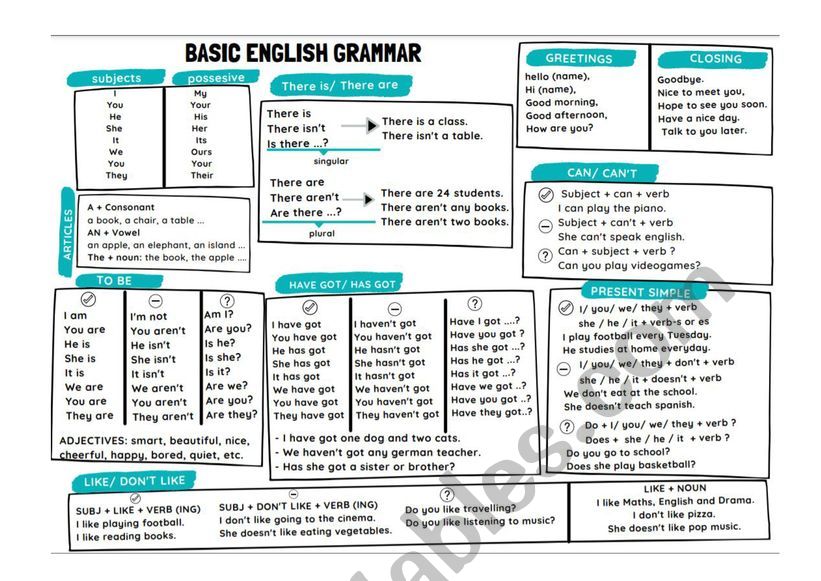 The grammar you need to start having simple conversations
Essential Grammar Topics for Beginners
Here are the key grammar topics you need to start communicating in English:
1. Personal Pronouns and the Verb Be
- Personal pronouns: I, you, he, she, it, we, they
- Verb be (am, is, are)
- Example: I am a student. / She is happy.
2. Simple Present
- To express daily activities and general truths
- Example: I go to school. / He plays football.
3. Simple Past
- Events completed in the past
- Example: I watched a movie yesterday. / She visited her grandparents.
4. Question Sentences
- Asking simple questions with do, does, did
- Example: Do you like coffee? / Did he call you?
5. Possessive Adjectives (Determiners)
- Words such as my, your, his, her, our and their. They always come before a noun.
- Example: This is my bag. / Their house is big.
- Their partners, the possessive pronouns (mine, yours, his, hers, ours, theirs), stand alone: This bag is mine.
6. Simple Prepositions
- Basic prepositions: in, on, at, under, next to
- Example: The book is on the table. / I am at home.
7. Numbers and Time Expressions
- Numbers (1-100), hours, days, and months
- Example: It is 3 o'clock. / Today is Monday.
8. Basic Modals
- can, must, should
- Example: I can swim. / You should study.
9. Adverbs of Frequency
- Words like always, usually, sometimes, never
- Example: I always drink tea in the morning.
10. Adjectives and Simple Comparisons
- Basic adjectives and comparisons
- Example: This house is bigger than that one. / She is the best player.
11. Simple Conjunctions
- And, but, because
- Example: I like coffee, but I don't like tea.
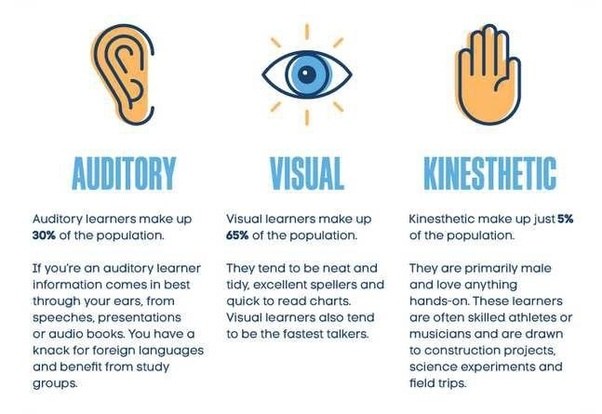 Mixing different study methods keeps practice from going stale
2. Afraid of Making Mistakes
Fear of making mistakes can prevent students from improving their speaking and writing skills. Often, people avoid practicing due to fear of making mistakes.
Mistakes are a normal part of learning. Let yourself make them, then look at what went wrong and what the correct form is. That's how a mistake turns into progress.
3. Focusing on Vocabulary Memorization
Focusing solely on memorizing vocabulary can prevent you from using the language effectively. Memorizing words by taking them out of context can make learning difficult.
Solution: When memorizing words:
- Learn them in context by using them in a sentence
- Create a story with new words
- Reinforce learning by saying words out loud
- Practice using words in different situations
4. Neglecting Listening Practice
Many students try to learn a language without practicing listening. But listening is one of the most basic ways to improve your language ability.
Tips for Better Listening:
- Listen to podcasts and watch YouTube videos
- Start with content appropriate to your level
- Use subtitles initially
- Gradually move to content without subtitles
- Practice with different accents and speeds
5. Reading Without Understanding
A common reading mistake is moving through the words without paying attention to what they mean.
Effective Reading Strategies:
- Divide text into manageable parts
- Write down what you understand
- Research unfamiliar words
- Start with simple texts
- Progress gradually to more complex material
6. Making Sentences with Native Language Thoughts
Making sentences using native language logic can cause grammatical errors and meaningless expressions.
How to Think in English:
- Start with simple sentences
- Practice expressing basic thoughts
- Memorize common expressions
- Think directly in English
- Avoid translating word by word
7. Trying to Move Fast
Some students act in a hurry, aiming to learn English thoroughly in a short time. This can lead to loss of motivation and increased stress levels.
Remember:
- Learning is a process
- Set realistic goals
- Break goals into smaller pieces
- Celebrate each success
- Focus on progress, not speed
8. Not Practicing Regularly
Not doing regular repetition and practice while learning a language can slow down the learning process.
Practice Tips:
- Set aside daily study time
- Keep sessions short but regular
- Use various learning methods
- Track your progress
- Stay consistent
9. Don't Give Up Quickly
Learning English will not be easy at first. Also, considering that every individual is different, the obstacles faced by everyone in this process will not be the same.
Having a hard time now and then is normal. There's a lot you can do when it happens, but giving up shouldn't be one of those things.
If you really want to learn English well, it will happen with time, as long as you stay disciplined. There will be hard stretches along the way. That's normal, and you can get through them.
10. Asking "How Long Does It Take to Learn English?"
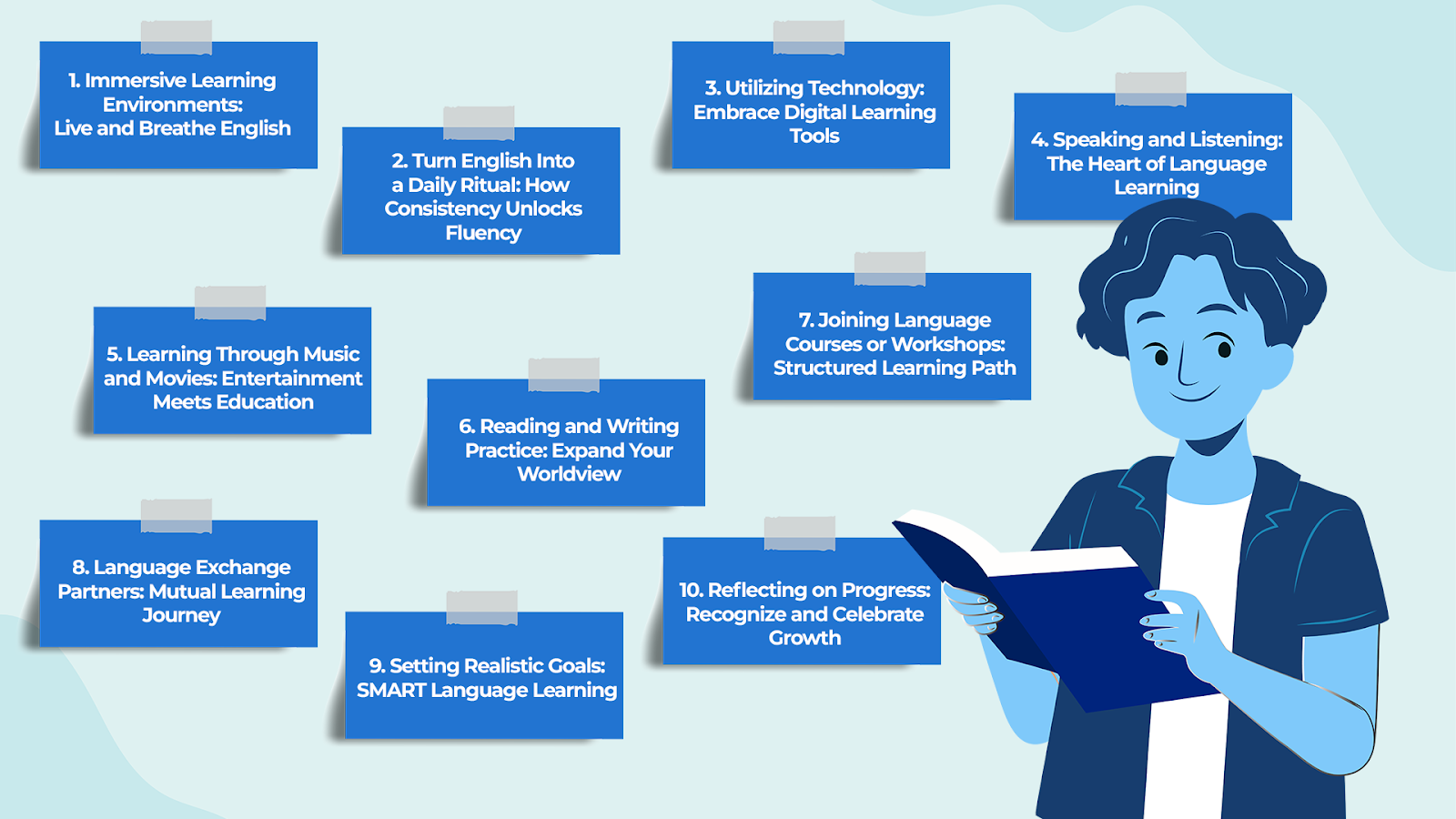 Everyone learns at a different pace, so measure progress rather than perfection
English matters in a lot of people's lives, and one of the questions learners ask most is "How long will it take to learn English?" The trouble is that the question frames learning the wrong way. A language isn't something you finish by a set date.
Different for Everyone
How long it takes varies from person to person and depends on:
- Motivation for learning
- Past experiences
- Work pace
- Resources used
- Previous language learning experience
- Purpose of learning (daily conversation, business, academic)
Care About the Process, Not the Duration
Instead of watching the calendar, make your study time count:
- Study regularly (15-30 minutes daily)
- Use methods that work for you
- Keep learning without long breaks
- Make English part of your daily routine
- Focus on progress, not deadlines
Learning Resources
 Apps, channels and courses that can help you practice
Popular Learning Applications
 Interactive language learning with Duolingo
- User-friendly interface
- Fun, interactive lessons
- Basic to advanced levels
- Free to use
YouTube Channels
 Learn English with Mr Duncan's engaging lessons
- English lessons and grammar explanations
- Engaging teaching style
 Free lessons from BBC Learning English on YouTube
- News and daily grammar lessons
- Conversation practice
- British English focus
 American English pronunciation lessons from Rachel's English
- American English pronunciation
- Accent improvement
- Speaking practice
Helpful Websites and Blogs
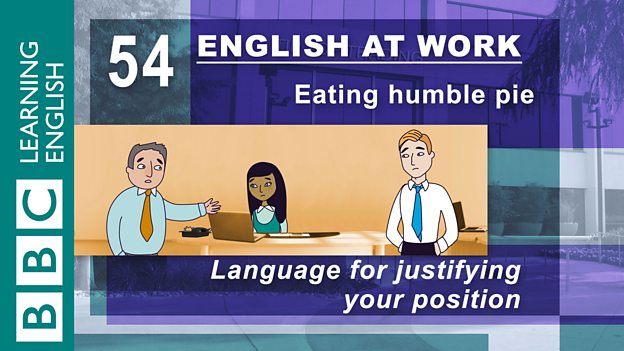 Professional English learning resources from BBC
- Rich content and interactive lessons
- A large library of learning materials
- Professional quality
 Learn with FluentU's interactive video lessons
- Real-world videos
- Interactive captions
- Vocabulary in context
 Grammar, vocabulary and speaking resources from EnglishClub
- Grammar resources
- Vocabulary exercises
- Speaking practice
Online Course Platforms
 Professional English courses on Coursera
- University-level courses
- Various English specializations
- Professional development
 Academic English courses on edX
- Academic English courses
- Business English
- Test preparation
 Learn English at your own pace
- Diverse course selection
- Different proficiency levels
- Practical skills focus
Written by
Writes study guides for people learning English as an additional language.
More from Elena HeidingerSpotted an error or a word that doesn't check out?